FHF to Invest Nearly 100 Million NOK in Fish Health and Welfare Research in 2026
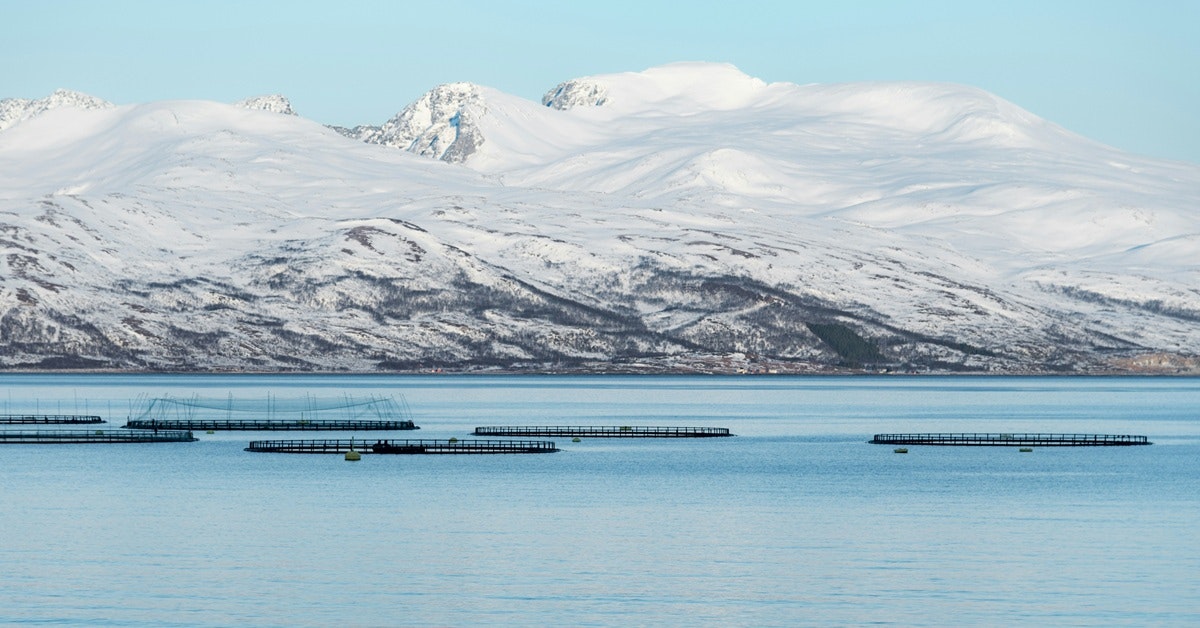
Norwegian aquaculture continues to lead the way in fish welfare research, with FHF (Fiskeri- og havbruksnæringens forskningsfinansiering) allocating 98.2 million NOK specifically to fish health and welfare initiatives in their 2026 action plan.
About FHF
FHF is a state-owned company, wholly owned by the Norwegian Ministry of Trade, Industry and Fisheries, that funds research and development for Norway's seafood industry. FHF is 100% industry-financed through a 0.3% levy on seafood exports
Key Aquaculture Research Areas for 2026
While fish health and welfare receives the largest allocation with 98.2 million NOK, FHF's total 2026 budget of 560 million NOK supports research across the entire Norwegian aquaculture sector:
- Lice Control (46.2 million NOK): The most pressing challenge for Norwegian salmon farming, with research focused on preventive methods, monitoring systems, and effective treatment strategies that don't require fish handling.
- Production Biology and Technology (88.3 million NOK): Supporting development of both land-based and sea-based production systems, including research on new production methods that could improve lice and health control.
- Product Quality and Processing (36.4 million NOK): Addressing quality issues like soft fillets and abnormal slime layers, plus improving food safety and slaughtering practices.
- Environmental Sustainability (82.1 million NOK): Research on climate change impacts, sustainable feed development, harmful algae control, and reducing microplastic pollution.
- Common Areas (49.5 million NOK): Including digitalization, value creation documentation, and regulatory framework research.
Key Research Areas in Fish Health and Welfare
FHF's 98.2 million NOK investment in fish health and welfare encompasses several key research areas:
Robust Fish: Investigating biological factors and production conditions that affect fry robustness to strengthen fish health and increase survival rates in the sea phase.
Disease Control: Studying the most costly infectious diseases, gill disease risk factors, and non-infectious production diseases to enable better prevention strategies.
Nutrition: Documenting fish's basic nutritional requirements and how feed composition impacts health and performance throughout the production cycle.
Fish Welfare Monitoring: Developing non-lethal sampling methods and welfare indicators that can be used in decision-support tools for continuous welfare assessment.
Biosecurity: Identifying and documenting infection control measures that can improve biosecurity both on land-based facilities and at sea.
For more information about FHF's priorities, visit their fish health and welfare page or download their 2026 Action Plan.